When you’re in a hurry, your first instinct might be to pull out your phone and book a rideshare—but is that always the quickest choice? With more cities regulating rideshare pickups and adding designated zones, traditional taxis have re-entered the race for speed and convenience. If you’re weighing your options, here’s a look at which one can truly get you where you need to go faster.
Speed to pickup: rideshare vs taxi
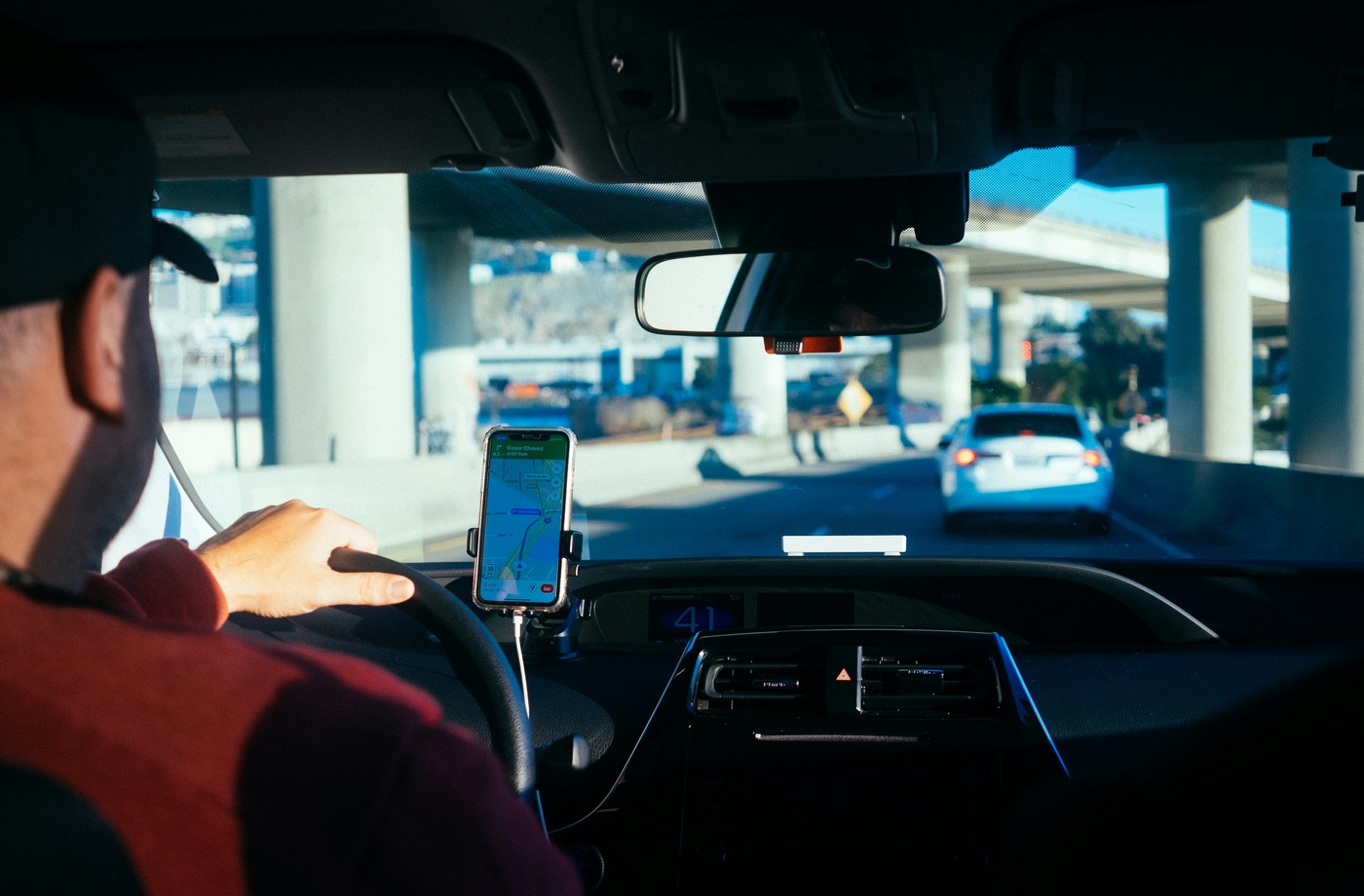
Rideshare apps like Uber and Lyft often display estimated arrival times, which can be as fast as 2–5 minutes during off-peak hours. However, those estimates depend heavily on driver availability and traffic conditions.
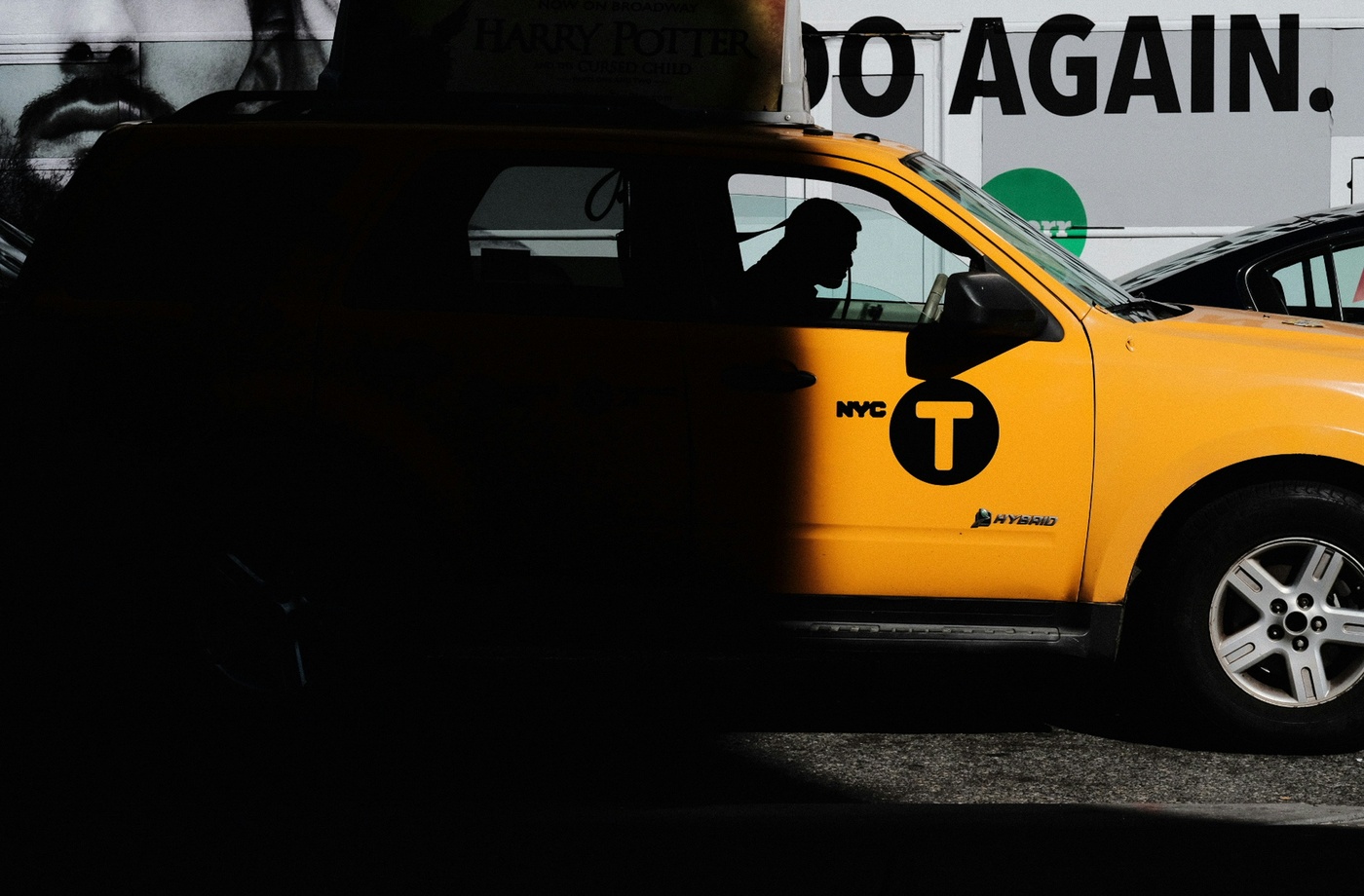
In contrast, traditional taxis stationed at hotels, transportation hubs, or street corners can offer immediate pickup. In dense urban areas like Manhattan, hailing a cab may be faster than waiting for a rideshare vehicle to arrive—especially during peak times when rideshare demand surges.
Access and location constraints
Airports, sporting venues, and major event spaces often limit where rideshare drivers can pick up passengers. These zones may require longer walks or wait times due to traffic control. In these settings, taxis usually have direct access and a shorter queue.
For example:
- At JFK Airport, yellow cabs are available at every terminal curbside, while Uber and Lyft pickups require navigating to designated rideshare areas.
- In downtown Chicago, hailing a cab off the street can be significantly faster than waiting for app-based pickup during rush hour.
Booking convenience
There’s no question that rideshare apps offer more control and transparency: you can see pricing, ETA, route, and driver info upfront. With taxis, you don’t know the final fare until the meter stops—though many cities offer flat-rate zones for common routes (like airport to downtown).
Apps like Curb are helping traditional taxi companies catch up, letting users book and pay for licensed cabs in major U.S. cities with the same ease as rideshare apps.
Real-time traffic advantage
Rideshare drivers use GPS routing to avoid traffic, but so do modern taxis. The difference often lies in city familiarity. Many seasoned taxi drivers know back routes, shortcuts, and high-traffic patterns by heart—sometimes outperforming app navigation in congested areas.
When is rideshare faster?
- In suburban or low-density areas where taxis are rare
- During non-peak hours with good driver coverage
- When you want full pricing and ETA visibility before committing
When is a taxi faster?
- In high-traffic city centers with taxi stands
- At airports and transit hubs
- During surge pricing or major events when rideshare availability drops
Conclusion
Speed depends heavily on your location, time of day, and how close you are to a taxi stand or rideshare pickup zone. If you’re in the heart of a major city, a street hail may be your fastest bet. In less busy areas, app-based rides are usually more efficient.
To maximize both speed and savings, consider combining whichever mode is faster with a rewards platform like Fluz if you’re booking rideshare. For instant cashback, you can get rewards with an Uber gift card or earn cashback with a Lyft gift card—giving you faster rides and something back in return.